
Fiction Writing Career
Getting Started
To embark on a fiction writing career, you'll need to develop your writing skills, learn about the publishing industry, and create a writing routine that works for you. This may involve taking writing courses, attending workshops, and reading widely in your genre. It's also essential to build a writing community, whether online or in-person, to connect with fellow writers, share ideas, and get feedback on your work. Many writers start by writing short stories, novellas, or even fanfiction to hone their craft and build their confidence.

Building Your Writing Skills
Building your writing skills is an ongoing process that requires practice, patience, and persistence. You'll need to develop your writing voice, style, and tone, as well as learn how to structure your stories, create believable characters, and craft compelling plots. This may involve experimenting with different genres, styles, and techniques to find what works best for you. You'll also need to learn how to edit and revise your work, as well as handle criticism and feedback from others. Many writers find it helpful to join a writing group or find a writing buddy to support and motivate them.
Understanding Your Genre
Understanding your genre is crucial to writing a successful fiction novel. Whether you're writing romance, science fiction, fantasy, or horror, you'll need to familiarize yourself with the conventions, tropes, and expectations of your genre. This may involve reading widely in your genre, attending writing conferences, and joining online forums or communities. You'll also need to consider your target audience and what they're looking for in a story. By understanding your genre and audience, you can create a story that resonates with readers and sets you apart from other writers.
Creating a Writing Routine
Creating a writing routine is essential to making progress on your writing projects. This may involve setting aside a dedicated time and space to write, as well as establishing a daily or weekly word count goal. You'll also need to consider your writing style and preferences, such as whether you're a morning or evening writer, and whether you prefer to write in a quiet or noisy environment. Many writers find it helpful to use writing software or apps to track their progress, set reminders, and stay organized.
The Publishing Industry
The publishing industry is a complex and constantly evolving landscape. Whether you're interested in traditional publishing or self-publishing, you'll need to understand the different options available to you and how to navigate the industry. This may involve researching literary agents, publishers, and self-publishing platforms, as well as learning about book marketing, promotion, and distribution. You'll also need to consider your rights as an author, including copyright, royalties, and subsidiary rights.
Traditional Publishing
Traditional publishing involves working with a literary agent or publisher to bring your book to market. This may involve submitting your manuscript to agents or publishers, waiting for feedback and offers, and negotiating a contract. Traditional publishing can offer many benefits, including professional editing, marketing, and distribution, as well as advances and royalties. However, it can also be highly competitive, with many manuscripts being rejected or delayed.
Self-Publishing
Self-publishing involves taking control of the publishing process and bringing your book to market independently. This may involve formatting your manuscript, designing your cover, and distributing your book through online retailers or other channels. Self-publishing can offer many benefits, including creative control, faster time-to-market, and higher royalties. However, it can also require a significant investment of time, money, and effort, as well as a willingness to handle all aspects of the publishing process.
Marketing and Promotion
Marketing and promotion are essential to the success of any fiction writing career. Whether you're traditionally published or self-published, you'll need to reach and engage with your target audience, as well as promote your work to booksellers, librarians, and other industry professionals. This may involve building an author platform, including a website, social media, and email list, as well as creating a marketing plan, including advertising, publicity, and events. Many writers find it helpful to hire a publicist or marketing consultant to help them navigate the process.
Staying Motivated and Inspired
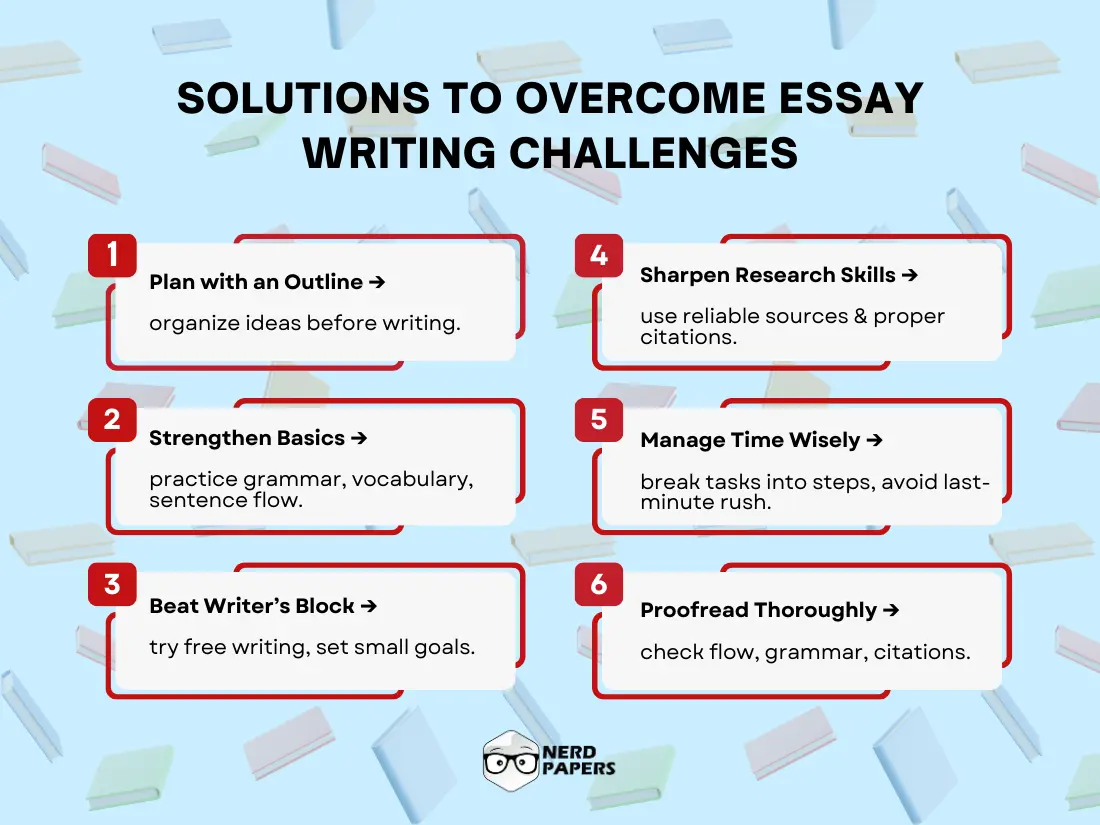
Staying motivated and inspired is crucial to a successful fiction writing career. This may involve setting writing goals and deadlines, as well as rewarding yourself for your progress and achievements. You'll also need to find ways to overcome writer's block, self-doubt, and other challenges that can arise during the writing process. Many writers find it helpful to read widely, attend writing conferences, and connect with fellow writers to stay inspired and motivated.
Overcoming Challenges
Overcoming challenges is an essential part of any fiction writing career. Whether you're facing writer's block, rejection, or self-doubt, you'll need to find ways to persevere and stay focused on your goals. This may involve seeking support from fellow writers, mentors, or writing coaches, as well as developing a growth mindset and a willingness to learn and adapt. Many writers find it helpful to keep a writing journal, track their progress, and celebrate their successes to stay motivated and inspired.
Conclusion
A Fiction Writing Career can be a rewarding and fulfilling profession, but it requires dedication, hard work, and a willingness to learn and adapt. By developing your writing skills, understanding your genre and audience, and navigating the publishing industry, you can create a successful and sustainable writing career. Whether you're traditionally published or self-published, you'll need to stay motivated and inspired, as well as overcome the challenges that arise during the writing process.
FAQs
What is the best way to get started with a fiction writing career?
The best way to get started with a fiction writing career is to develop your writing skills, learn about the publishing industry, and create a writing routine that works for you.
How do I find a literary agent or publisher for my work?
You can find a literary agent or publisher by researching online, attending writing conferences, and submitting your manuscript to agents or publishers who are interested in your genre.
What are the benefits of self-publishing versus traditional publishing?
The benefits of self-publishing include creative control, faster time-to-market, and higher royalties, while the benefits of traditional publishing include professional editing, marketing, and distribution, as well as advances and royalties.
How do I market and promote my work as a fiction writer?
You can market and promote your work by building an author platform, including a website, social media, and email list, as well as creating a marketing plan, including advertising, publicity, and events.
What is the most important thing to remember when pursuing a fiction writing career?
The most important thing to remember when pursuing a fiction writing career is to stay motivated and inspired, as well as to be willing to learn and adapt to the changing publishing landscape.
How do I overcome writer's block and stay focused on my writing goals?
You can overcome writer's block and stay focused on your writing goals by setting writing deadlines, rewarding yourself for your progress, and seeking support from fellow writers, mentors, or writing coaches.