
Fiction Writing Conventions

Understanding Fiction Writing Conventions
Fiction writing conventions are the rules and guidelines that authors follow when creating a story. These conventions can include things like plot structure, character development, pacing, and dialogue, and are used to create a narrative that is engaging, believable, and immersive. By following these conventions, authors can create a story that draws readers in and keeps them invested in the characters and plot.
The Importance of Plot Structure
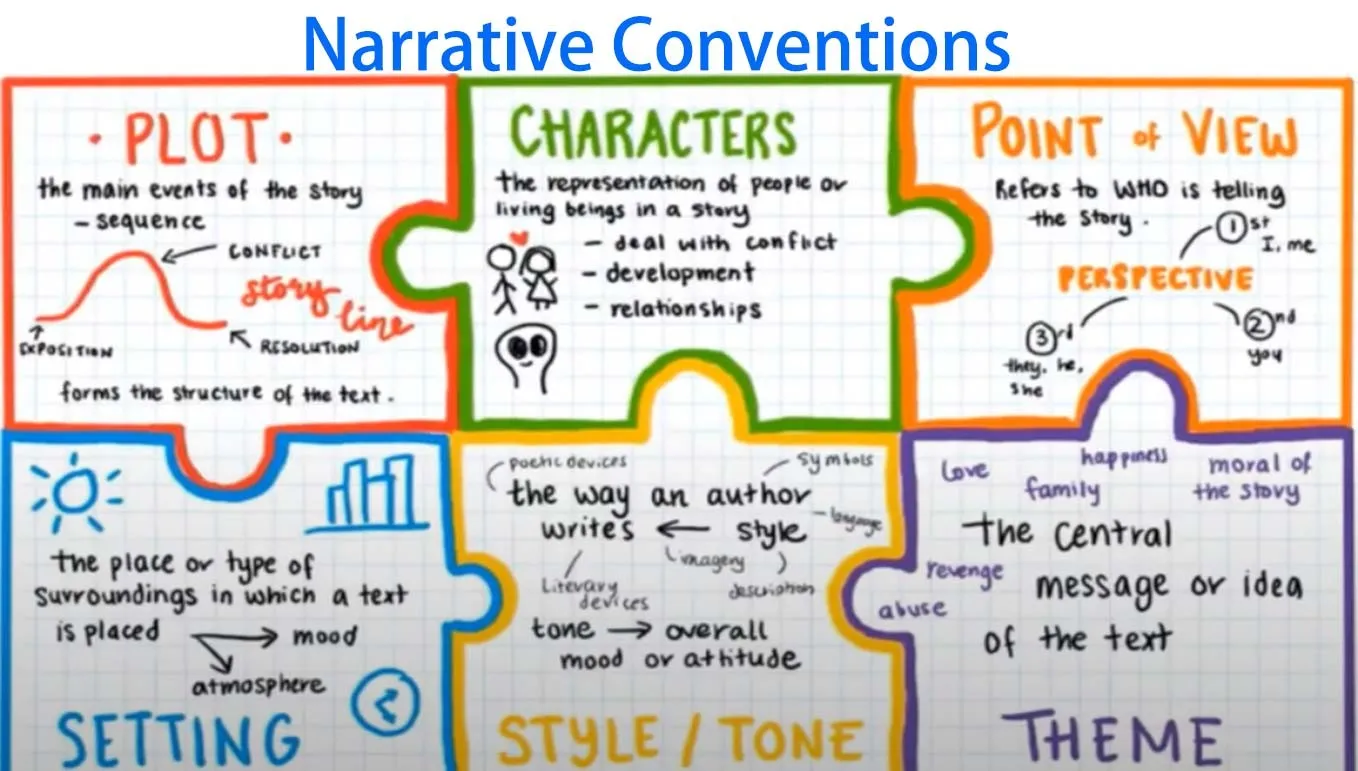
Plot structure is one of the most critical elements of fiction writing. It refers to the way in which the story is organized and presented to the reader. A well-structured plot should have a clear beginning, middle, and end, and should include elements like exposition, rising action, climax, and resolution. The plot should also be driven by conflict and tension, which can be internal or external, and should be resolved in a way that is satisfying and believable.
Types of Plot Structure
There are several different types of plot structure that authors can use, including: * Linear plot structure, which presents the story in a chronological order * Non-linear plot structure, which presents the story in a non-chronological order * Episodic plot structure, which presents the story as a series of loosely connected episodes * Circular plot structure, which presents the story as a circle, with the ending connecting back to the beginning
Character Development
Character development is another critical element of fiction writing. It refers to the way in which characters are created and presented to the reader. Well-developed characters should be believable, relatable, and engaging, and should have their own unique personalities, motivations, and backstories. Characters should also undergo significant change and growth over the course of the story, and should be affected by the events of the plot.
Creating Believable Characters
Creating believable characters is essential for crafting a compelling and engaging story. To create believable characters, authors should: * Give them unique and relatable personalities * Provide them with rich and detailed backstories * Make them active and engaged in the plot * Show their thoughts, feelings, and motivations through dialogue and action
Pacing and Tension
Pacing and tension are also critical elements of fiction writing. Pacing refers to the speed at which the story unfolds, and should be varied to keep the reader engaged. Tension refers to the sense of conflict or uncertainty that drives the plot forward, and should be used to create suspense and anticipation. By varying the pacing and using tension effectively, authors can create a story that is engaging, suspenseful, and immersive.
Building Suspense and Anticipation
Building suspense and anticipation is essential for creating a compelling and engaging story. To build suspense and anticipation, authors should: * Use cliffhangers and unresolved plot threads * Create uncertainty and ambiguity * Use foreshadowing and hinting * Vary the pacing to create a sense of tension and release
Dialogue and Description
Dialogue and description are also important elements of fiction writing. To learn more about the basics of fiction writing, including dialogue and description, authors can refer to a comprehensive guide on crafting fiction, which provides valuable tips and techniques for creating an immersive story. Description should be vivid and engaging, and should help to create a sense of atmosphere and mood. By using dialogue and description effectively, authors can create a story that is immersive and engaging. Discover practical tips on plot development in fiction by checking out this comprehensive guide.
Using Dialogue Effectively
Using dialogue effectively is essential for crafting a compelling and engaging story. To use dialogue effectively, authors should: * Make it natural and believable * Use it to reveal character and advance the plot * Vary the tone and style to create a sense of authenticity * Avoid using it as a way to info-dump or provide unnecessary exposition
Themes and Symbolism
Themes and symbolism are also critical elements of fiction writing. Themes refer to the underlying ideas and messages that the story conveys, and should be explored and developed over the course of the narrative. Symbolism refers to the use of objects, colors, and other elements to represent abstract ideas and concepts. By using themes and symbolism effectively, authors can create a story that is rich, nuanced, and thought-provoking.
Exploring Themes and Symbolism
Exploring themes and symbolism is essential for crafting a compelling and engaging story. To explore themes and symbolism, authors should: * Identify the underlying ideas and messages of the story * Use symbolism to represent abstract ideas and concepts * Develop and explore the themes over the course of the narrative * Use themes and symbolism to add depth and complexity to the story
Conclusion
Fiction writing conventions are the rules and guidelines that authors follow when creating a story. By understanding and using these conventions effectively, authors can craft a compelling and engaging narrative that draws readers in and keeps them invested in the characters and plot. Whether you are a seasoned author or just starting out, understanding fiction writing conventions is essential for improving your craft and creating a story that resonates with readers.
FAQs
What is the most important element of fiction writing?
The most important element of fiction writing is plot structure, as it provides the framework for the story and helps to create a narrative that is engaging and immersive.
How do I create believable characters?
To create believable characters, give them unique and relatable personalities, provide them with rich and detailed backstories, make them active and engaged in the plot, and show their thoughts, feelings, and motivations through dialogue and action.
What is the difference between pacing and tension?
Pacing refers to the speed at which the story unfolds, while tension refers to the sense of conflict or uncertainty that drives the plot forward.
How do I build suspense and anticipation in my story?
To build suspense and anticipation, use cliffhangers and unresolved plot threads, create uncertainty and ambiguity, use foreshadowing and hinting, and vary the pacing to create a sense of tension and release.
What is the purpose of themes and symbolism in fiction writing?
The purpose of themes and symbolism is to add depth and complexity to the story, and to convey underlying ideas and messages that the narrative explores and develops.